
Surface Piercing in Gaziantep
Piercing across a flat area of skin - nape, wrist and décolletage placements.
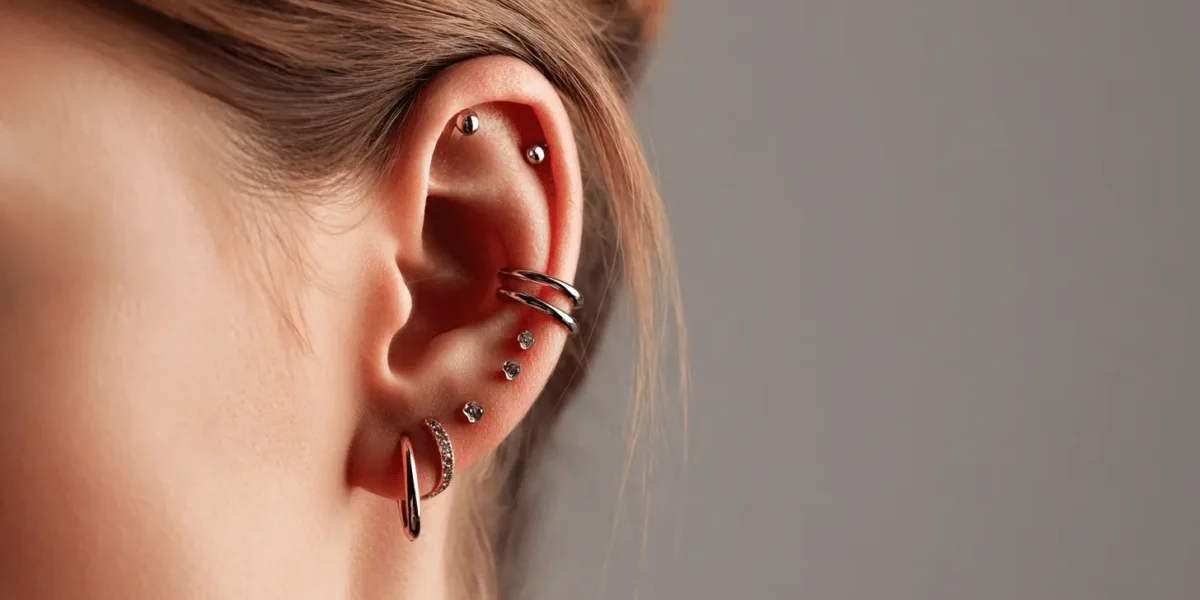
Surface piercing runs under a flat stretch of skin between two entry points - used on areas like the nape of the neck, wrist or décolletage where there's no natural fold or protrusion to pierce through.
The Honest Trade-Off
Surface piercings have a higher rejection rate than most other piercing types because the jewelry runs parallel to the skin's surface, which is naturally trying to push it out. We'll talk you through this risk honestly, and recommend flexible, surface-bar jewelry to reduce it.
Placement & Care
Choosing a placement away from constant clothing friction or repeated bending makes a real difference to how long a surface piercing lasts.
See our full piercing services page for other options that may suit you better, such as dermal piercing.
Surface piercings run under flat skin (nape, wrist) and carry a higher rejection risk than standard piercings. Message us on WhatsApp to discuss whether it's right for you.
You may also want to look at our Dermal Piercing, Nose Piercing and Septum Piercing pages. All our piercing services are listed on the Piercing Services page.
What is a surface piercing?
A piercing placed along a flat area of skin using a surface bar, with both ends visible.
Rather than passing through an edge of tissue like an earlobe or nostril, a surface piercing runs parallel beneath a flat section of skin, with an entry and an exit point. It uses a specially shaped surface bar whose right-angled ends reduce the pressure the body places on the channel.
Common placements include the nape, collarbone, hip and wrist - areas where a conventional piercing has nothing to pass through.
How can rejection be prevented?
Correct depth, the right bar shape and a low-friction placement are the three deciding factors.
Surface piercings carry a higher rejection risk than conventional ones, because the body treats the bar as something to push out. Three things reduce that risk substantially: placing the bar at the correct depth, using a properly shaped surface bar rather than a straight one, and choosing a location that clothing does not constantly rub.
We will decline placements where the risk is unreasonably high. Taking a piercing we expect to reject would not be doing you a favour.
How long does a surface piercing take to heal?
Typically 6-12 months, and it stays vulnerable to being caught throughout that period.
Healing is slower than for conventional piercings because the tissue must stabilise around a bar it is inclined to expel. Expect six months to a year, and treat the site carefully for the whole of it.
During healing, be deliberate about clothing, bag straps, seatbelts and towels - a single hard catch can undo months of progress. Clean with sterile saline and avoid rotating the jewellery.
Ready to Book Surface Piercing in Gaziantep?
Reach out for a free consultation about your design and pricing.